Category Archives: Interview

The four questions actors deal with

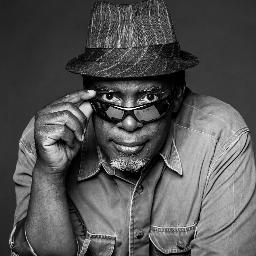
gvalthomasActor G. Valmont Thomas brilliantly portrays Sir John Falstaff in “Henry IV, Part One,” now playing at the Oregon Shakespeare Festival. He will also play Falstaff in “Henry IV, Part Two.” This is Thomas’ 14th season with OSF. A native of the Pacific Northwest, Thomas took time out from his acting career to earn an MFA in Directing for the Theater from Pennsylvania State University. We met at Boulevard Coffee in Ashland. This is the first of a two-part interview. The second will be published on June 26.

EH: Why do people make their life in theater?

GVT: It’s different for everybody, but most theater artists have an altruistic streak. I don’t find what we do that much different from psychology, psychiatry or religion, because we are dealing with these four questions: “Who am I? What the heck am I doing here? What am I supposed to do when I’m here?” and “How do I know when I’m doing it right?” Those are the things that we deal with everyday. I believe that I’m helping the world deal with itself. A lot of theater people feel that they can help heal. We feel that we are the agents of healing. And right now, it’s very prevalent among us. Continue reading The four questions actors deal with
Backstage: ‘I love a great story told honestly’

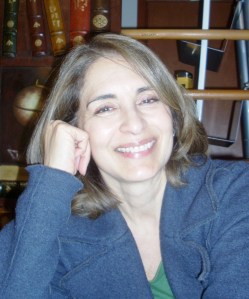
Vilma Silva has portrayed such iconic characters as Portia in “The Merchant of Venice,” Julius Caesar in “Julius Caesar,” and Katherina in “The Taming of the Shrew” during her 23 seasons at the Oregon Shakespeare Festival.
After graduating from Santa Clara University, Silva performed with El Teatro Campesino and the American Conservatory Theatre before coming to Ashland for her first OSF role in “Blood Wedding.” This season, she is Armida in “Mojada” and Mistress Page in “The Merry Wives of Windsor.” We got together at Bloomsbury Coffee House in Ashland.

EH: How do you create such real people on stage?

VS: I always start with what’s on the page. Then, it’s looking at the people who you’re going to be saying these things to. There are going to be clues — in how to make them see things your way — to make them do what you want them to do. That’s going to come from the other actors. And certainly, there are things in one’s life that you can draw upon. Continue reading Backstage: ‘I love a great story told honestly’

A horror puppet musical for adults

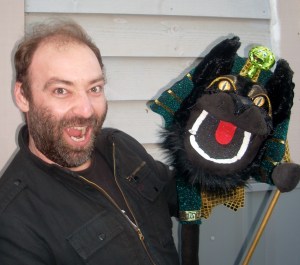
Puppeteers for Fears are currently touring their latest extravaganza, “The Trilogy of Terror” written by Artistic Director Josh Gross. I saw a technical rehearsal of the first play of the Trilogy, “The Mummy’s Purse.” It features a rock band, extraordinary puppets, projections, and profound hilarity. I met with Gross and his puppet designer, Brook Sharp, at Mix.
EH: What was the genesis of the puppet musical?

JG: I got into writing plays, but I’d played music all of my life, and I wondered if I could write a musical. Not everything works as a musical. It has to have certain themes and a certain ridiculousness for people to spontaneously burst into song. Puppets and horror are absurd enough for a musical.

I searched for the least appropriate topic for a musical to make it as ridiculous as possible. I did some on-line polling and somehow settled on serial killers. I decided “Ritual Murder, The Musical” was going to be the topic of this first piece. That went really well.

Puppets can seem bigger than they really are. People accept a certain level of ridiculousness with them. If you have good writing, and you make it fun, you can get away with a lot. Continue reading A horror puppet musical for adults

Backstage: Some serious work goes into a farce

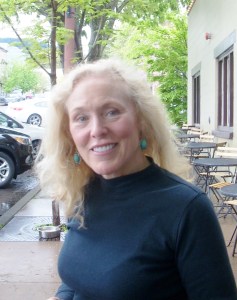
Liisa Ivary is directing David Ives’ version of Georges Feydeau’s “A Flea in Her Ear,” opening Wednesday, May 3, at Ashland High School. There’s a cast of 20 student actors and a good deal of technical support from Ivary’s colleagues at the Oregon Shakespeare Festival, including fight director U. Jonathan Toppo.
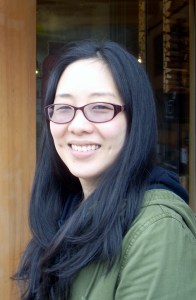
Ivary spent seven seasons in the Oregon Shakespeare Festival’s acting company. She has also performed in Shakespeare Festivals and regional repertory theaters all over the nation. She recently directed “Annapurna” for Oregon Stage Works. We met one afternoon at Noble Coffee Roasting in Ashland.

LI: This is something I wanted to do, because it’s important for these talented acting students to be mentored by OSF veterans, showing them style — and teaching them precision, timing and how to physically commit to a style that is split-second and dangerous.

It’s a large cast. It’s a lot of language and a lot of fight moves: kicks, punches, chases, slaps, rolls and jumps — every kind of slapstick; but it has to be timed perfectly, with intricate threading of props and costumes, because it’s a play of mistaken identity. It’s setting the style, the world and staying consistent. Continue reading Backstage: Some serious work goes into a farce

Backstage: What makes a play good?

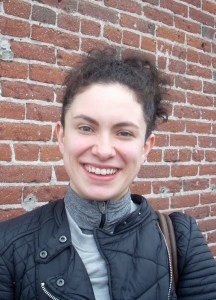
Cindy Im, who plays Hanna in “Hannah and the Dread Gazebo,” is in her second season at the Oregon Shakespeare Festival. Last year, she was in “Great Expectations” and “The Winter’s Tale.” We met at RAW on Main Street in Ashland.
EH: Was “Hannah and the Dread Gazebo” developed through the Ashland New Plays Festival?

CI: It had a development process through the Ashland New Plays Festival, but the process goes further back. This play has been in development for a number of years. In fact, I did one of the first readings of it, three or four years ago, in San Francisco. Just by happenstance, I got to do the world premier of it here.

EH: What is the process of developing plays with playwrights?

CI: It varies, depending on the chemistry in the room. Some playwrights just want to hear the words out loud; they have their own strong ideas about how it should go. It’s not so much about getting feedback from the actors, but about hearing it, and seeing how it bounces off the page. There are other playwrights that want feedback from actors: “What makes sense to you? What is more confusing?” Chemistry with the director will dictate how much feedback you give.

EH: How has “Hannah and the Dread Gazebo” changed since you first read it?

CI: The bones of the play have largely remained the same. Phrasing and word choices have changed, but the meat and purpose of it has remained. Continue reading Backstage: What makes a play good?

What actors want: to tell stories

Alejandra Escalante

Oregon Shakespeare Festival actor, Alejandra Escalante, plays Hotspur, the hardened, quick-triggered leader of the rebellion, in OSF’s production of “Henry IV Part 1.” Escalante’s recent OSF roles include Miranda in “The Tempest” and Juliet in “Romeo and Juliet.”

EH: Do you have a theory or method of acting?

AE: I had great teachers at Boston University. I had a fantastic physical acting teacher named Elaine Vaan Hogue who changed my view of what acting could be. Everyone has methods that work for them; a lot of times, we just take bits and pieces from here and there.

The Stanislavsky and Meisner techniques were fascinating to me, but they were very intellectual. I don’t think they actually work for me. I had a hard time applying them to my character. Whereas physical acting for me was, “Oh this, I can get.” It was eye-opening for me, that I didn’t have to write down every tactic and all my verbs: which is really cool; but it just doesn’t work for me. I need to have a very strong understanding of the language. Physicality helps me understand the characters, an understanding of who they are in their bodies. Continue reading What actors want: to tell stories

Jeremy Johnson: Embracing the new and old

Jeremy Johnson has been with the Oregon Shakespeare Festival for eight seasons. He was a superb Sky Masterson in OSF’s 2015 production of “Guys and Dolls.” This season he will be portraying Doctor Caius in “The Merry Wives of Windsor,” and M. D’Arque in Disney’s “Beauty and the Beast.” This is the second of a two-part interview. The first was published on March 6.

EH: Is there a common quality that all actors share?

JJ: The vast majority of actors I have met have been very warm: outgoing, even if a little shy. There’s that stereotype that actors need a lot of approval, and I’m sure that’s true sometimes. But actors have also been, in my experience, unbelievably generous and open-hearted.

EH: Do you have a theory of acting or method?

JJ: I went to Northwestern University. I studied with David Downs. He would focus on: How can you be clear and understood and believed on stage from a purely technical point of view? How do you build a character physically? If you start with a role, and you say, “Who is this person?” How do you go about creating that character in a meaningful believable way?

Continue reading Jeremy Johnson: Embracing the new and old