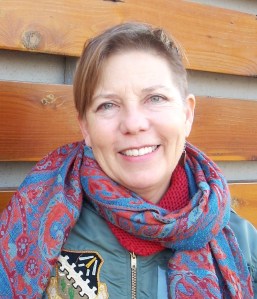
 Suzanne Seiber is the choreographer for Brava! Opera Theater’s “Hansel and Gretel.” Seiber holds a Master of Arts degree in dance from the University of Oregon with a focus on movement training for actors. She teaches dance and choreographs in numerous settings including the Oregon Shakespeare Festival, the Oregon Cabaret Theatre and Southern Oregon University. We chatted one morning at The Growler Guys in Ashland.
EH: How do you choreograph plays?
SS: A lot of it is character movement. As a theater choreographer you work with, “Who is this?” “What kind of movement is going to show who they are?” “What’s the mood of that particular moment?” and, “What’s going to make it pop?” It’s also about getting into patterns, to give a sense of the time, the place, the character, and then embody the music.
Suzanne Seiber is the choreographer for Brava! Opera Theater’s “Hansel and Gretel.” Seiber holds a Master of Arts degree in dance from the University of Oregon with a focus on movement training for actors. She teaches dance and choreographs in numerous settings including the Oregon Shakespeare Festival, the Oregon Cabaret Theatre and Southern Oregon University. We chatted one morning at The Growler Guys in Ashland.
EH: How do you choreograph plays?
SS: A lot of it is character movement. As a theater choreographer you work with, “Who is this?” “What kind of movement is going to show who they are?” “What’s the mood of that particular moment?” and, “What’s going to make it pop?” It’s also about getting into patterns, to give a sense of the time, the place, the character, and then embody the music.
Continue reading Backstage: Character revealed by movement →
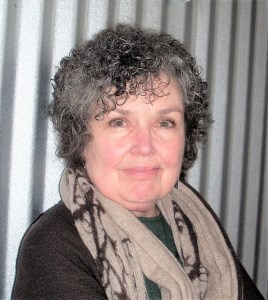 Penny Metropulos is directing “Electra” by Sophocles, opening Feb. 21, in Southern Oregon University’s Black Box Theatre, with a modern adaptation by Timberlake Wertenbaker. This classic Greek tragedy involves hubris, murder and revenge. Themes it deals with include fate versus free will, gender equality and moral ambiguity. I met with Metropulos at Noble Coffeehouse in Ashland.
 Philanthropist James M. Collier and Brava! Opera Theater are presenting San Francisco Opera Adler Fellows Grand Opera Concert on Sunday, Jan. 27, at the Mountain Avenue Theatre in Ashland as part of the James M. Collier Young Artist Program.
 Artistic Director Willene Gunn is directing Brava! Opera Theater’s next production: “Hansel and Gretel.” Composed by Engelbert Humperdinck in 1893, the opera is softer and more fanciful than the well-known fairy tale by the Brothers Grimm.
 Mark Saunders’ 10-minute play “Sitcom” will be featured in Ashland Contemporary Theatre’s next offering, “Moonlighting 2018: Home for the Holidays.” Saunders is a former cartoonist and English teacher, who then found work in the computer industry and early retirement. Saunders was introduced to playwriting through stand-up comedy. We met at Boulevard Coffee.
 Resident Artist, Amelia Acosta Powell, shared with me insights into the 2019 Season at the Oregon Shakespeare Festival.

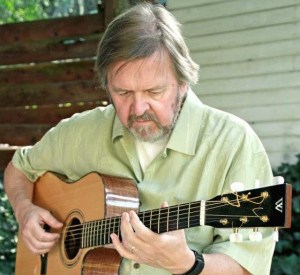 Ed Dunsavage, artistic director of the Siskiyou Institute, promotes jazz and jazz studies throughout the Rogue Valley. He is also a guitar instructor at Southern Oregon University. We met at Boulevard Coffee to talk about jazz.
 Ashland Theatre