Tag Archives: Director

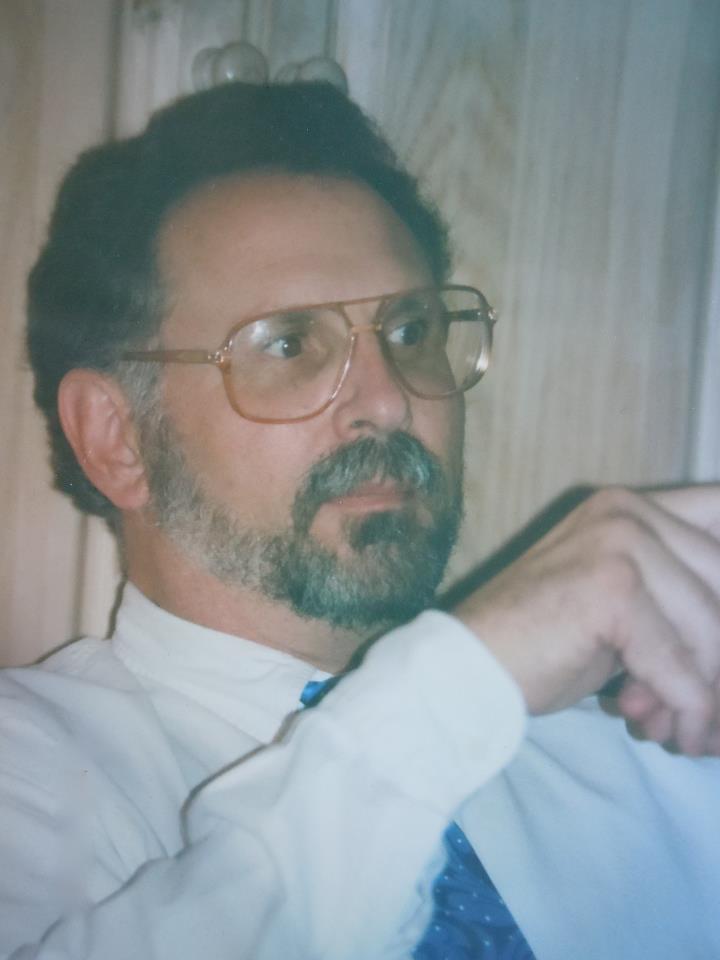
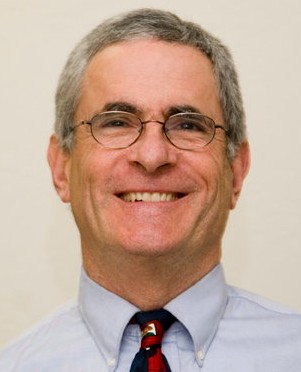
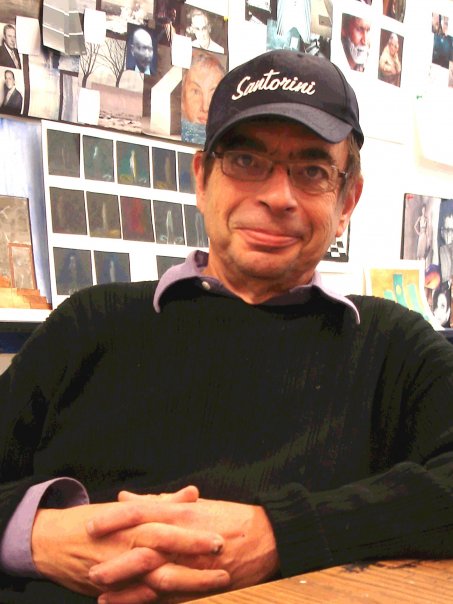
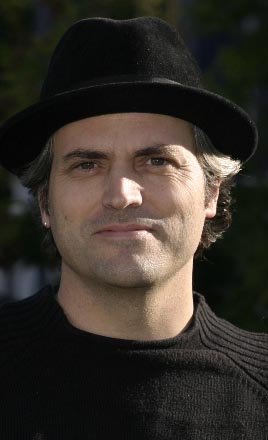
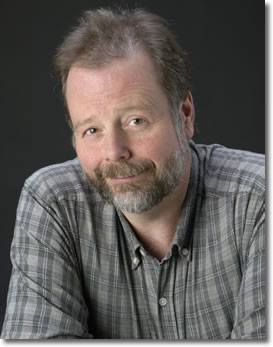
Chris Sackett and Tara Watkins

Chris Sackett
Chris Sackett
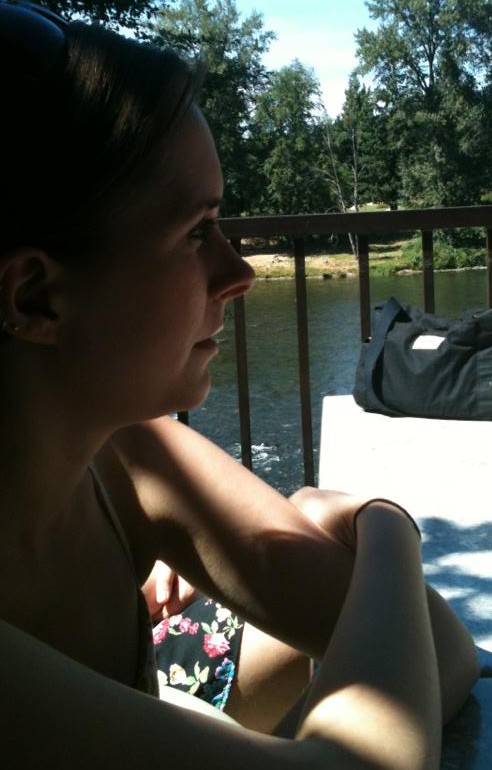
Tara Watkins
Tara Watkins

“Alice Through the Looking Glass,” directed by Chris Sackett, opens Feb. 11 at Southern Oregon University’s Center Square Theatre. Tara Watkins plays Alice. Sackett, Watkins and I met in the SOU Theatre Arts Department one afternoon to discuss the production of the new adaptation by SOU alumnus Craig Jessen.

EH: Is “Alice Through the Looking Glass” done in modern times?

CS: It’s done in “dream time.” Lewis Carroll, Charles Dodgson (his real name), was writing during Victoria’s time. We have roughly moved up the time of our real world to Edwardian, but once we get through the Looking Glass, it’s dream time. It’s not specific to a given time.

EH: What do you have in store for us visually?

CS: In Looking Glass world, we go through a variety of environments. We’re in the small space, it’s intimate, and Looking Glass space is going all the way to the walls. A basic conceit of the story is, “Let’s pretend. Let’s expand our horizons.” We are going to be doing some experimental approaches to establishing environment.
Continue reading Chris Sackett and Tara Watkins

Ron Danko: ‘Shakespeare’s Sonnets and a Will to Boot’

Ron Danko (left)
Ron Danko (left)

Rogue Community College’s theater director, Ron Danko, is launching an exciting project, titled ‘Shakespeare’s Sonnets and a Will to Boot’. We met to read sonnets in his office at Rogue Community College.

EH: What is your task with this material? What do you want to do with it?

RD: I want people to realize that the sonnets do speak, just as Shakespeare’s plays speak, to an audience today, regardless of how educated you are. They talk to us with the deepest most complex emotions, in terms of relationships and what happens in relationships, and the understanding of love. Think about it. How many actors who have done Shakespeare and theater, have really looked at the sonnets? They don’t.

Continue reading Ron Danko: ‘Shakespeare’s Sonnets and a Will to Boot’

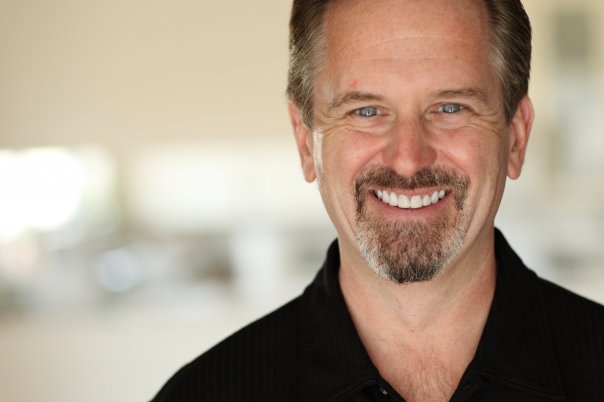
Bill Langan

Bill Langan
Bill Langan

Bill Langan is the director of David Mamet’s Pulitzer Prize-winning “Glengarry Glen Ross,” which opens Friday night at Oregon Stage Works. I have had the privilege of sitting in on rehearsals. The play is impeccably directed. Bill received his master’s degree from Yale School of Drama and has been acting professionally for 20 years, including six years in the acting company of the Oregon Shakespeare Festival. We lunched on the terrace at Martino’s and discussed acting, art and politics.

BL: I couldn’t be more delighted by the quality of my actors. I love my guys. I’m so impressed. Now I can see from this “side of the table” the real meaning of the phrase, “directing is 80 or 90 percent casting,” depending on who you talk to and somewhat depending on the show. But this play is all about the actors; it’s all about the language, which I love.

Continue reading Bill Langan

Dennis Klein

Dennis Klein
Dennis Klein

Last season at Oregon Stage Works Dennis Klein directed the hilarious and terrifying mystery thriller “Death Trap.” Dennis and I met before a rehearsal of his next production, a free, late-night workshop of Sam Shepard’s “True West.”

EH: How did you come to direct at Oregon Stage Works?

DK: I drove by this theater. I had heard an advertisement on the radio. So I came in. I fell in love with this space because this place has a soul, it has a palpable feel. It is a theater: it has blood, sweat and tears of theater. I felt it. It washed over me. I loved the place, and so I wanted to be part of this. I wanted to share the experience and to help if I could. It’s been an interesting ride.

EH: How does being in theater affect family?

DK: It’s very difficult. It causes a lot of tension because it requires so much time. It’s not just the physical time, it’s the emotional time. It’s stressful on a family. Ask anybody who is married. They are on the edge of divorce all the time because it excludes the other person. It pushes them away, because you are so focused. The people you are working with become the most important people to you for a while. For families, that’s hard. Donna, my wife, has become involved in costuming. It’s something she loves to do. She has now become part of the theater group, which instead of being exclusive has become inclusive.

Continue reading Dennis Klein

Do Talk Back

Peter Alzado
Peter Alzado
Jeff Golden
Jeff Golden

During the play series “Things We Do” at Oregon Stage Works, there were lively audience post-play discussions surrounding issues related to the Israeli-Palestinian conflict. I met with director Peter Alzado and moderator Jeff Golden at the theater to discuss the nature of “talk-back” theater.

JG: I think this is a terrific use of theater. This is really exciting. I think it is timely (and not just for this topic) because most forms of media are trying to figure out how to be interactive. We are in a massive cultural shift from experts telling us how it is and lecturers revealing the truth to us and top-down transmission of knowledge and entertainment to interactivity. And you see it everywhere, most obviously on the Web. I think it’s healthy that we’re transcending division between audience and performer. It’s easier in some media than in others. I feel very strongly about this. It aligns with a new world where we no longer have a select group of experts who can tell us how to do everything. We have to solve what’s coming up collectively, with effort, and thought, and investment from everybody. That’s part of Obama’s “Yes We Can.” I see it everywhere. This was a really good way for this theater to take a step in that direction.

Continue reading Do Talk Back

Dale Luciano

Dale Luciano
Dale Luciano

One noon hour some years back, I had the extraordinary luck to wander into Dale Luciano’s drama in Western culture class at Southern Oregon University. The class explored great dramatic literature within its historical context. I was intrigued; I enrolled in the year-long class.

Dale also teaches directing and forms and meanings, a class he describes as an “ongoing experiment” that examines parallels between theater and major art movements in history. His theatre arts classes are challenging. He chooses exciting material and requires his students to process, communicate and create.

I met Dale at the Bloomsbury Coffee House. Dale directed Shakespeare’s “Love’s Labor’s Lost,” now playing at Southern University’s Oregon Center Stage Theater. I have seen the production. It is elegant, exuberant, masterfully directed and thoroughly entertaining. I highly recommend it.

Continue reading Dale Luciano

HOT L BALTIMORE

John Cole
John Cole

John Cole, director of Lanford Wilson’s “HOT L BALTIMORE,” shared his thoughts on the play during early rehearsals.

JC: A lot of it is boldfaced honest raw humor that’s really funny. “HOT L BALTIMORE” is the HOTEL BALTIMORE neon sign with the “E” burnt out. The play is about a beautiful old hotel now fallen into disrepair and inhabited by street hustlers, prostitutes and senior citizens. These people are living in the margins and have nowhere to go. While trying to get by living in this hotel, they get notice that the wrecking ball is going to tear down the joint.

“HOT L BALTIMORE” is what happens to those marginal people in dire economic straights when our society is bent on creating a shiny new future, and we forget about moving forward with our hearts. It helps us remember those people we walk past on the streets. It helps us remember how valuable they are.

Continue reading HOT L BALTIMORE