Tag Archives: OSF

Judith-Marie Bergan

Judith-Marie Bergan
Judith-Marie Bergan

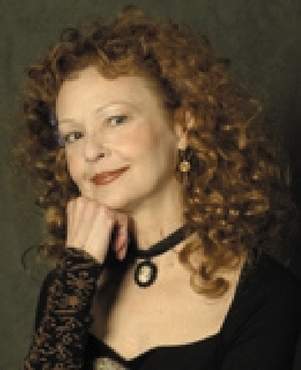
Oregon Shakespeare Festival’s Judith-Marie Bergan is back for another season. Last year she performed in Oscar Wilde’s “A Woman of No Importance” at Yale, then she was directed by Libby Appel in Tennessee Williams’ “Glass Menagerie” in North Carolina. Judith is delighted that Bill Rauch has invited her back for OSF’s 75th season. We met at Starbucks next to the Southern Oregon University campus.

EH: How long have you been with OSF?

JMB: I’ve been here for 10 years, but there were a couple of years where I did other things: the Guthrie Theater, the Berkeley Repertory Theatre, and the Old Globe. But I just love it here. I just vastly respect this company — the range, the fact that they are always reaching to better the theater, to find new things and new projects. I think it is certainly the best regional theater you could work for.


Continue reading Judith-Marie Bergan

Lia Beeson

Lia Beeson
Lia Beeson

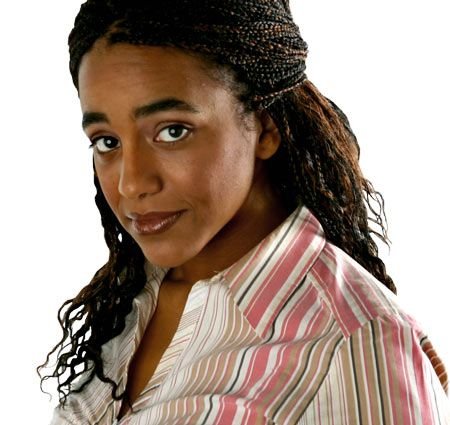
Each season the Oregon Shakespeare Festival offers special performances of plays featuring open captions in Spanish. Cuban-born Lia Beeson provides many of the translations. As we lunched at the Breadboard restaurant, Lia told me about translating for theater at OSF and her flight from Cuba.

EH: You do translations for the Oregon Shakespeare Festival?

LB: The last thing I translated was the Octavio Solis adaption of Cervantes’ “Don Quixote” for the performance featuring open captions in Spanish. In special shows, while the play goes on on-stage, they show Spanish captions for the Spanish-speaking audience. It’s different from a regular translation. I follow the guidelines for subtitling movies. The translator tries to put down as simple and as readable words as possible; 30 to 50 percent of the dialogue is supposed to be dropped off. The pride in translation is to provide language that is just as elegant and appealing as it is in the other language. You can’t do that in a caption and expect the people to read it. Usually I only do open-caption translations for them, but OSF also asked me for a full translation of “Don Quixote.”

Continue reading Lia Beeson

Bill Langan

Bill Langan
Bill Langan

Bill Langan is the director of David Mamet’s Pulitzer Prize-winning “Glengarry Glen Ross,” which opens Friday night at Oregon Stage Works. I have had the privilege of sitting in on rehearsals. The play is impeccably directed. Bill received his master’s degree from Yale School of Drama and has been acting professionally for 20 years, including six years in the acting company of the Oregon Shakespeare Festival. We lunched on the terrace at Martino’s and discussed acting, art and politics.

BL: I couldn’t be more delighted by the quality of my actors. I love my guys. I’m so impressed. Now I can see from this “side of the table” the real meaning of the phrase, “directing is 80 or 90 percent casting,” depending on who you talk to and somewhat depending on the show. But this play is all about the actors; it’s all about the language, which I love.

Continue reading Bill Langan

Shirley and Bill Patton

Shirley and Bill Patton

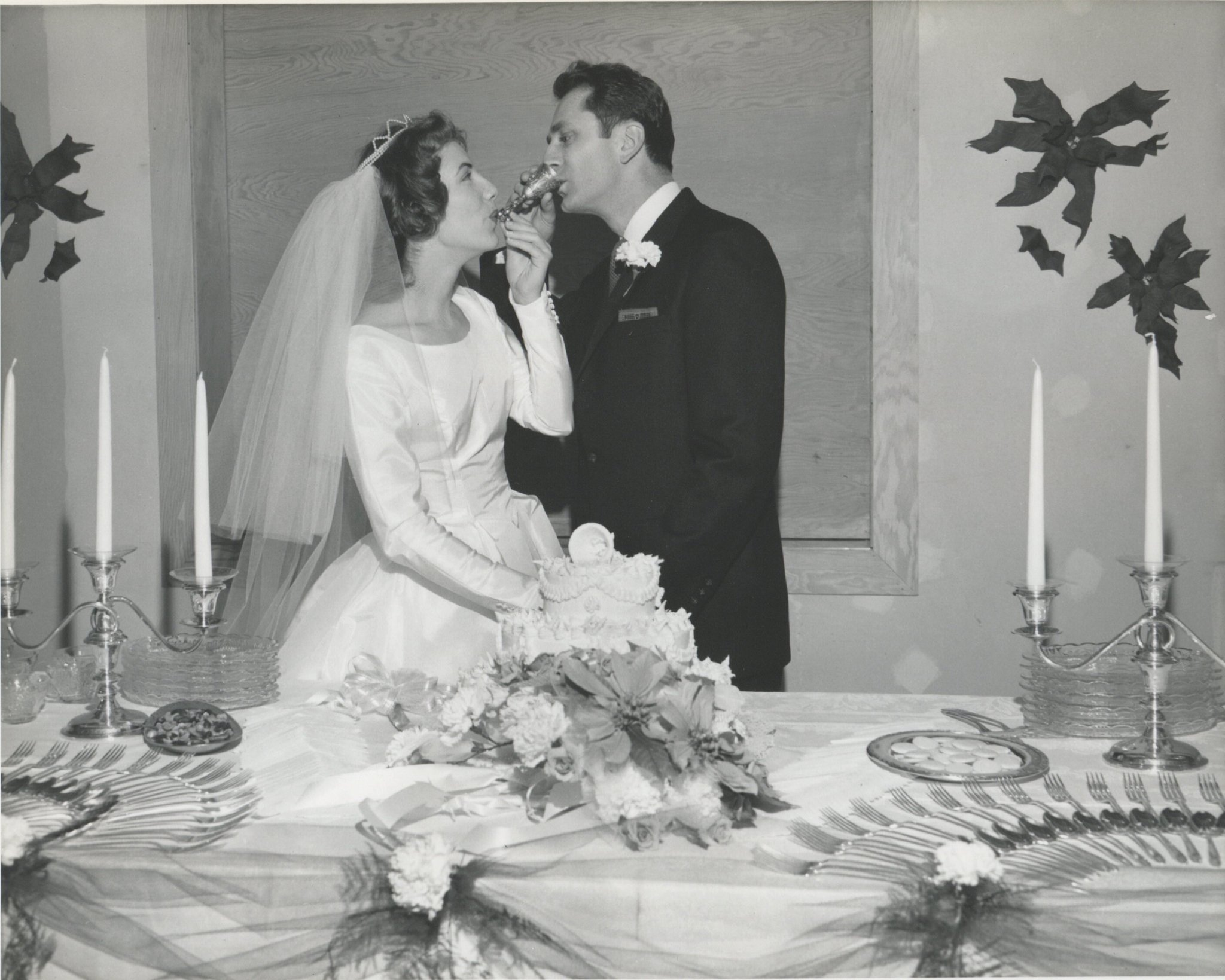
As I visited with Shirley and Bill Patton in their exquisite Ashland hills home, I got to know two people who have shared a creative life together in theater. Their efforts led to the formation and success of the Oregon Shakespeare Festival. Shirley is now starring in “Six Dance Lessons in Six Weeks” at the Camelot Theatre in Talent.

SP: Bill was the first person I met when I got off the bus.

BP: She came up to Ashland to audition in the summer of 1958 when I was general manager.

SP: Then he became the executive director. Bill’s position evolved over the years and as the festival grew. As theaters were added with more and more staff, his job description kept changing dramatically.

Continue reading Shirley and Bill Patton

Shirley Patton

Shirley Patton
Shirley Patton

After an acting career spanning 30 years at the Oregon Shakespeare Festival, playing such roles as Ophelia in “Hamlet,” Hermia in “A Midsummer Night’s Dream” and Bianca in “Othello,” Shirley Patton finds her acting talents delightfully in demand by Ashland’s alternative theaters. She is currently starring in “Six Dance Lessons in Six Weeks” at Camelot Theatre in Talent. I visited with Shirley in her idyllic Ashland hillside home.

EH: How did you get to Ashland to begin with? How did this wonderful life come about?

SP: I was a student at Stanford. I kept hearing how wonderful it was to spend summers in Ashland, because you got to work with the greatest playwright ever in this four-play repertory. By a great fluke, at the last moment, I went on as Viola in “Twelfth Night” at Stanford. Angus Bowmer came down to see it and remembered me fondly from that.

After I graduated, I applied to the Oregon Shakespeare Festival. I guess they were looking favorably on my application, but the last part of it got lost in the mail, so I didn’t hear anything from them. I wrote Angus a letter saying how one of my goals was to someday work in his company, and if he would be so kind as to tell me my areas of weakness, I would work on them until someday maybe I would be worthy.

Continue reading Shirley Patton

Patrick Devon

Tom Chapman (aka Patrick Devon)

Playwright Patrick Devon finds his inspiration for his witty dialogue as a dresser backstage at the Oregon Shakespeare Festival. An invitation from Libby Appel brought Devon to Ashland five years ago.

A graduate of the University of London in art history and theater, Devon workshops his plays with OSF actors at the Black Swan. As we sat in the empty Elizabethan Stage one afternoon, we chatted about his experience of coming to Ashland and writing for theater.

PD: The lure of taking that writing and being able to see it with this quality of actors was just overwhelming. It’s such a good thing to see the whole show go up. Everyone is very kind. The less you put your ego in it, the more those actors will save you. If you have actors on your side, your stuff will go.

I’m usually most comfortable writing backstage at a show. The creative forces are happening all around. I get my ideas when I’m here, and then I go home and sort them out. Actors are so overdeveloped as far as their literary senses that any sort of premise that you might be thinking about — I’ve never once set down one of my premises for a play, where someone has said, “Oh, that’s weird, or that’s dumb.” They’d say, “Hmmm, “I think it needs work.” That’s very kind. Or they say, “What happens? Good premise, it’s not going very far.” And we always have Mr. Shakespeare to say, “Hey, the twin thing. How far can that go?” He certainly stretches it. You can too. He takes unbelievable situations, and we buy it. It’s fascinating.

Continue reading Patrick Devon

Claudia Alick

Claudia Alick
Claudia Alick

Claudia Alick has found the key to success with her eclectic selection of performers for the Green Shows, the early-evening performances on the Courtyard Stage at the Oregon Shakespeare Festival. As we lunched at Dragonfly, Claudia told me how she goes about it.

CA: We love for the audience members to write us notes. It’s the only way we know if we are on the right track. We also have an open submission policy. It’s a democratic way to curate a show. It opens me up to acts that I would never get to find out about. Just go online, write us a note, tell us what your act is and you’re in the running. I also encourage people to go to the Green Show group on Facebook. That’s just another way to become part of the conversation.

Continue reading Claudia Alick